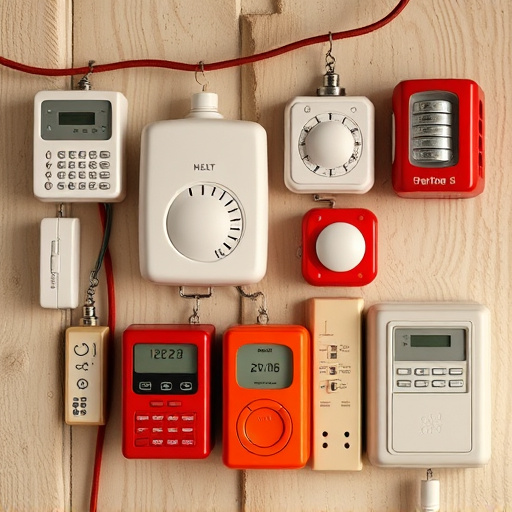
Selecting personal safety tools with a focus on Personal Attack Alarm Sound Range (100-120 decibels) is crucial for deterring attackers and attracting help. High-quality alarms use distinct signals or human voices, while advanced models incorporate strobe lights and GPS tracking. Users should consider adjustable sound levels, strategic placement, activation techniques, and legal restrictions to ensure effective and responsible usage.
Personal safety is paramount, especially in unpredictable situations. One powerful tool to deter potential attackers is a personal attack alarm with an impressive Personal Attack Alarm Sound Range. This article guides you through essential aspects of these devices. We’ll explore how to choose the right alarm, optimal placement and activation strategies, and legal considerations to ensure maximum protection. Understand the Personal Attack Alarm Sound Range and unlock the power of this portable safety net.
- Understanding Personal Attack Alarm Sound Range
- Choosing the Right Personal Safety Tools
- Effective Placement and Activation Techniques
- Legal Considerations and Public Awareness
Understanding Personal Attack Alarm Sound Range
When considering personal safety tools with an alarm function, understanding the Personal Attack Alarm Sound Range is crucial. This range typically varies from 100 to 120 decibels (dB), which is about as loud as a power lawnmower or a construction site. Such high decibel levels are designed to startle potential attackers and draw attention, increasing your chances of escaping or getting help quickly.
The effectiveness of the alarm depends not only on its volume but also on clarity. High-quality alarms use human voice recordings or clear, distinct signals that can be recognized even in chaotic environments. Some advanced models even incorporate strobe lights or GPS tracking to enhance their warning capabilities and provide additional layers of protection.
Choosing the Right Personal Safety Tools
When selecting personal safety tools with an alarm function, understanding your specific needs is paramount. Consider scenarios that might require immediate assistance; whether it’s a sudden personal attack or unexpected emergency. The right tool should offer a distinct and loud Personal Attack Alarm Sound within a reasonable Range to startle potential assailants and alert others nearby.
Look for devices with adjustable sound levels, ensuring the alarm is audible yet not excessively loud, to avoid unnecessary panic. Additionally, consider tools that incorporate other safety features like GPS tracking, automatic fall detection, or emergency contact options for comprehensive protection.
Effective Placement and Activation Techniques
For optimal effectiveness, personal attack alarms should be strategically placed on or near your person. This could mean attaching them to your keys, lanyards, or even incorporating them into wearable items like bags or shoes. The alarm’s sound range is a key factor; it should be loud enough to startle an attacker and alert bystanders, typically between 100-120 decibels. Test the alarm’s volume in different environments to ensure it’s heard clearly at a safe distance.
Activation techniques vary with design, but most personal attack alarms are designed to be easily triggered by sudden movement or impact. They can be activated manually as a last resort, or automatically when sensors detect a dangerous situation. Understanding how your specific alarm triggers and the sound it emits is crucial for its successful use in emergency situations.
Legal Considerations and Public Awareness
Personal safety tools with alarm functions, such as personal attack alarms, are becoming increasingly popular. However, it’s essential to understand the legal considerations surrounding their use. Different jurisdictions have varying laws regarding the legality and permissible sound range of these devices. Users must be aware of these regulations to avoid any potential legal repercussions.
Public awareness is another critical aspect. While these tools can provide a sense of security, overusing or abusing them may cause unnecessary panic or even legal issues. It’s crucial for individuals carrying personal attack alarms to use them judiciously and only when faced with an actual threat, ensuring both their safety and that of others in public spaces.
Personal safety tools equipped with alarm functions can be powerful deterrents, but understanding their sound range and effective placement is key. By choosing the right device and learning activation techniques, individuals can enhance their personal security. Additionally, legal considerations and raising public awareness about these tools can further contribute to creating safer communities. Remember, staying informed and prepared is vital in navigating potential threats, ensuring peace of mind in an uncertain world.